
Earth & Environment · Environmental Science
31st International Conference on Biological and Environmental Sustainability (LBES-25)
Dates10–12 Sept 2025
LocationLisbon, Portugal
SubmissionsNot listed
RegistrationClosed
FormatIn person
FieldEarth & Environment · Environmental Science
OrganizerNot listed
About & call for papers
Topics/Call for Papers Topics of Interest for Submission include, but are Not Limited to: Core Themes Interlinking Biology and Environment: - Biodiversity and Conservation: - Species protection and recovery. - Habitat restoration and management. - Ecosyste… Read more
Topics/Call for Papers Topics of Interest for Submission include, but are Not Limited to: Core Themes Interlinking Biology and Environment: - Biodiversity and Conservation: - Species protection and recovery. - Habitat restoration and management. - Ecosystem services and their valuation. - Conservation genetics and genomics. - Invasive species ecology and management. - The role of disturbances (fire, drought) in ecosystems. - Conservation in agricultural landscapes. - Marine conservation and sustainable fisheries. - Climate Change Impacts and Adaptation: - Effects of climate change on species distribution and phenology. - Climate change and extreme weather events (heatwaves, floods, storms). - Climate change impacts on ecosystems (forests, wetlands, coral reefs). - Adaptation strategies in natural and managed systems. - Carbon sequestration and natural climate solutions. - Climate resilience in agriculture and food systems. - Ecology and Ecosystem Functioning: - Community ecology and species interactions. - Nutrient cycling and biogeochemical processes. - Ecosystem stability and resilience. - Landscape ecology and habitat connectivity. - Ecology of infectious diseases. - Soil ecology and health. - Aquatic ecosystem ecology (freshwater and marine). - Environmental Pollution and Toxicology: - Air, water, and soil pollution sources and impacts. - Waste management and reduction strategies (circular economy). - Microplastics and their environmental fate. - Environmental toxicology and the effects of contaminants on organisms and ecosystems. - Bioremediation and biodegradation technologies. - Environmental monitoring and assessment. Biological Sciences for Sustainability: - Biotechnology and Bioengineering: - Biofuels and bioenergy. - Biomaterials and sustainable alternatives to plastics. - Biocatalysis and industrial biotechnology for green processes. - Synthetic biology for environmental applications. - Waste conversion technologies. - Sustainable Agriculture and Food Systems: - Agroecology and organic farming. - Precision agriculture for resource efficiency. - Sustainable land management practices. - Plant and animal physiology for stress resilience. - Food security and sustainable diets. - Reducing food waste. - Microbiology and Environmental Processes: - Microbial ecology and its role in nutrient cycling. - Microbial bioremediation of pollutants. - Microbiome research in relation to environmental health. - Microbial contributions to carbon sequestration. Environmental Solutions and Governance: - Environmental Policy and Governance: - Environmental regulations and their effectiveness. - International environmental agreements. - Environmental justice and equity. - Sustainable development goals and their implementation. - Environmental economics and green growth. - Renewable Energy and Sustainable Technologies: - Solar, wind, hydro, and geothermal energy. - Energy storage solutions. - Sustainable transportation and electric vehicles. - Green building and infrastructure. - Environmental sensors and IoT for monitoring. - Geospatial Science and Remote Sensing: - Using GIS and remote sensing for environmental monitoring and management. - Spatial modeling of ecological and environmental processes. - Applications in land use change and resource management. - Ecological Restoration and Ecosystem Management: - Techniques for restoring degraded ecosystems. - Managing ecosystems for resilience and sustainability. - Nature-based solutions for environmental challenges. Interdisciplinary Approaches: - Systems Biology and Modeling: - Using systems-level approaches to understand complex biological and environmental interactions. - Developing models for predicting environmental change and biological responses. - Social-Ecological Systems: - Understanding the interconnectedness of human societies and natural systems. - Developing integrated approaches to sustainability challenges. - Environmental Ethics and Philosophy: - Ethical considerations in environmental decision-making. - The value of nature and biodiversity.
Venue
Colégio Almada Negreiros, Universidade Nova de Lisboa
Av. de Berna, 26 C, 1069-061 Lisboa | Portugal
Lisbon, Portugal
Open Colégio Almada Negreiros, Universidade Nova de Lisboa in maps ↗The address is as the organizer gave it, and it is not checked against a map.
Similar conferences
Earth & Environment · Environmental Science
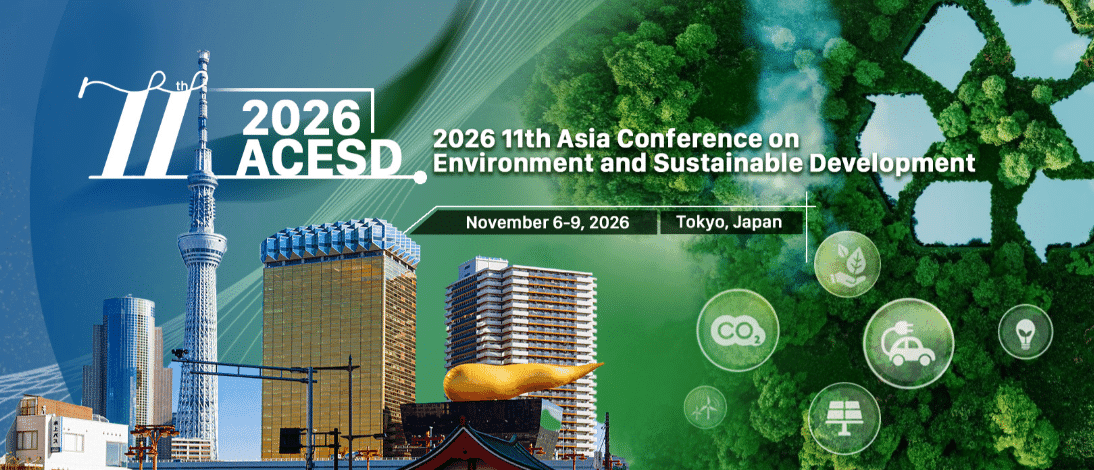
11th Asia Conference on Environment and Sustainable Development (ACESD 2026)
Recurring
Earth & Environment · Environmental Science
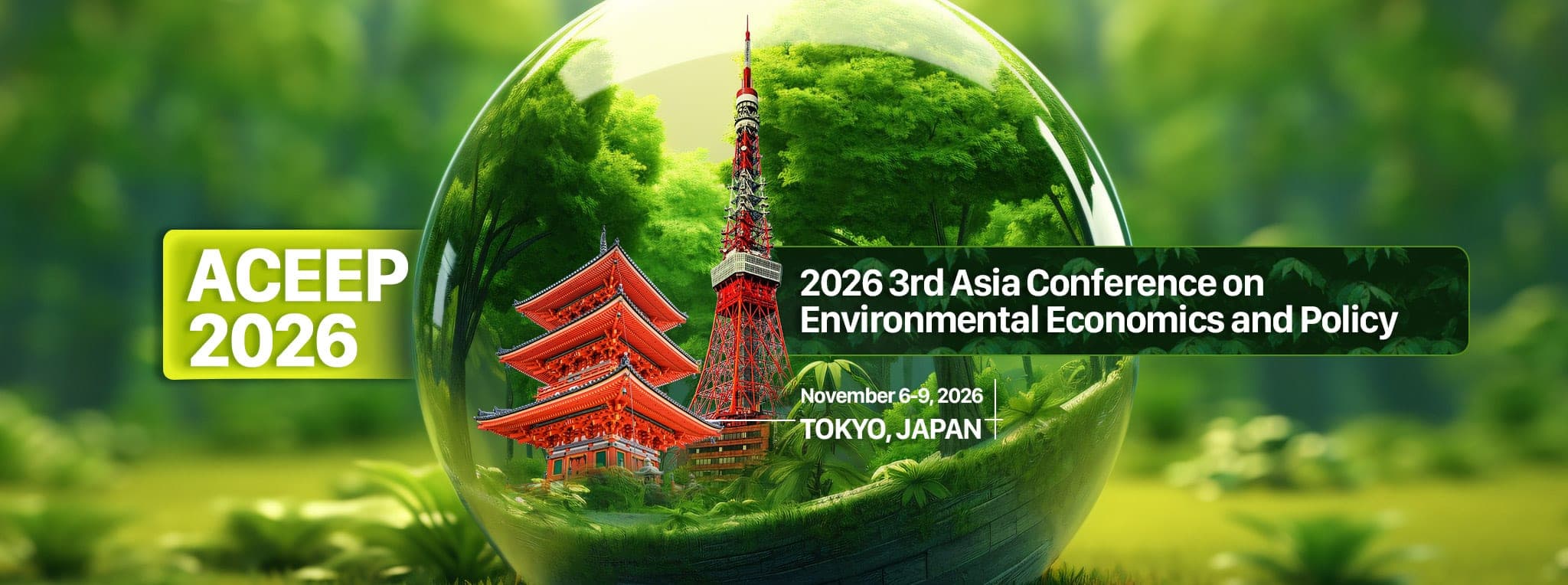
3rd Asia Conference on Environmental Economics and Policy (ACEEP 2026)
Recurring
Earth & Environment · Environmental Science
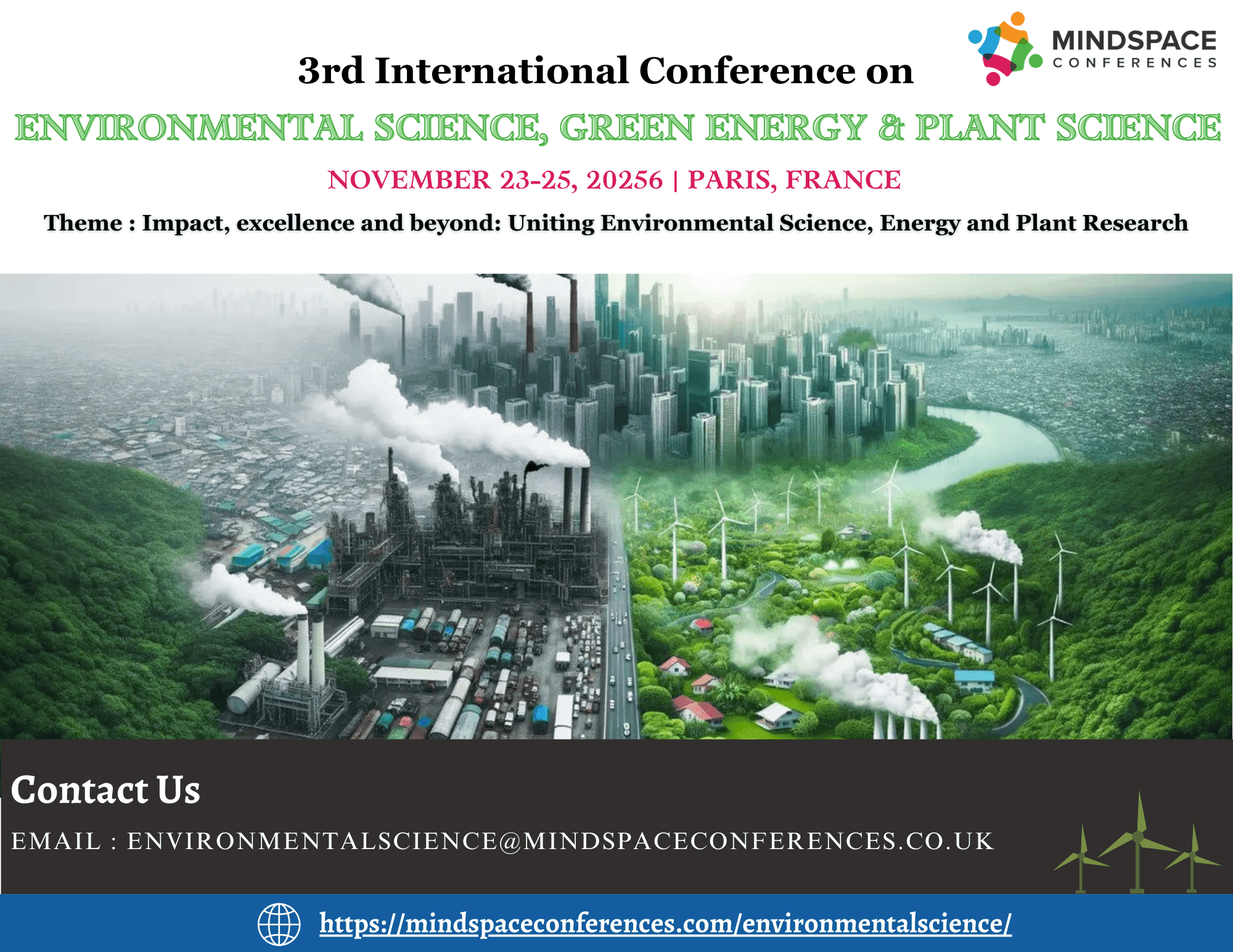
The 3rd International Conference on Environmental Science, Green Energy & Plant Science
Frequently asked
When is the 31st International Conference on Biological and Environmental Sustainability (LBES-25) submission date?
This edition has ended. The series page shows whether a newer edition is accepting submissions.
Where was 31st International Conference on Biological and Environmental Sustainability (LBES-25) held?
It was held at the Colégio Almada Negreiros, Universidade Nova de Lisboa, Lisbon, Portugal.
Can I attend 31st International Conference on Biological and Environmental Sustainability (LBES-25) remotely?
No — this edition is listed as in person only.