Computing & Data · Artificial Intelligence
65th LISBON International Congress on Research in Science, Technology, Social Sciences & Education (LSTSSE-25)
Dates10–12 Dec 2025
LocationLisbon, Portugal
SubmissionsNot listed
RegistrationClosed
FormatIn person
FieldComputing & Data · Artificial Intelligence
OrganizerNot listed
About & call for papers
Call for papers/Topics Full Articles/ Reviews/ Shorts Papers/ Abstracts are welcomed in the following research fields: I. Science & Technology A. Emerging Technologies and Their Impact: - Artificial Intelligence (AI) and Machine Learning (ML): - Generativ… Read more
Call for papers/Topics Full Articles/ Reviews/ Shorts Papers/ Abstracts are welcomed in the following research fields: I. Science & Technology A. Emerging Technologies and Their Impact: - Artificial Intelligence (AI) and Machine Learning (ML): - Generative AI in various domains (e.g., content creation, drug discovery) - Ethical AI and bias in algorithms - AI in education, healthcare, and urban planning - Human-AI collaboration - AI in cybersecurity - Blockchain beyond cryptocurrency (supply chain, secure contracts) - Virtual Reality (VR), Augmented Reality (AR), and Mixed Reality (MR) - Internet of Things (IoT) and pervasive computing - Big Data Analytics and Data Mining - Quantum Computing - Biotechnology and Genetic Engineering (e.g., CRISPR, synthetic biology) - Nanotechnology - Robotics and Automation - Advanced Materials Science B. Sustainability and Green Technologies: - Renewable Energy Sources and Technologies - Circular Economy and Eco-Design - Green Manufacturing and Transportation - Climate Change Mitigation and Adaptation Technologies - Sustainable Agriculture and Food Security - Environmental Monitoring and Remediation Technologies - Smart Cities and Sustainable Urban Development C. Health and Medical Technologies: - Digital Health and Telemedicine - Wearable Devices and Remote Monitoring - Personalized Medicine and Pharmacogenomics - Medical Imaging and Diagnostics - Biomedical Engineering - Neuroscience and Brain-Computer Interfaces - Public Health Informatics D. Core Scientific Disciplines: - Physical Sciences: Physics, Chemistry, Astronomy, Earth Sciences - Biological Sciences: Biology, Ecology, Genetics, Microbiology - Mathematical Sciences: Pure and Applied Mathematics, Statistics, Data Science II. Social Sciences A. Society and Culture in the Digital Age: - Impact of Technology on Human Behavior and Social Interactions - Digital Citizenship and Online Communities - Social Media and its Societal Implications - Cyberpsychology and Online Identity - Data Privacy and Surveillance in the Digital Era - Globalization and its Cultural Consequences - Cultural Studies and Identity in a Connected World B. Governance, Policy, and Ethics: - Ethical Frameworks for AI and Emerging Technologies - Science and Technology Policy - Social Policy and Welfare Systems - Human Rights in the Digital Age - Political Sociology and Digital Democracy - Law and Technology (e.g., intellectual property, cybercrime, data protection) - Crisis Leadership and Societal Resilience C. Economic and Organizational Dynamics: - Future of Work: Automation, Gig Economy, Remote Work - Economics of Innovation and Technology Adoption - Organizational Behavior and Digital Transformation - Entrepreneurship and Innovation Ecosystems - Sustainable Business Practices and Corporate Social Responsibility - Economic Inequality and Digital Divide D. Human Development and Well-being: - Psychology of Technology Use (e.g., addiction, well-being) - Mental Health in the Digital Age - Social Psychology and Group Dynamics - Community Development and Social Capital - Migration and Immigration: Social and Cultural Challenges - Aging in the Digital Society - Diversity, Inclusion, and Equity in various contexts III. Education A. Innovations in Teaching and Learning (EdTech Revolution): - Artificial Intelligence in Education (AIED) - Personalized Learning and Adaptive Systems - AI-powered assessment and feedback - Ethical considerations of AI in educational settings - Virtual, Augmented, and Mixed Reality in Learning Environments - Online Learning, Blended Learning, and Distance Education - Learning Management Systems (LMS) and Digital Platforms - Gamification and Serious Games for Learning - Open Educational Resources (OER) and Digital Libraries - Learning Analytics and Educational Data Mining - Digital Literacy and Digital Citizenship Education B. STEM Education: - Curriculum Development and Pedagogical Innovations in STEM - Promoting STEM Identity and Student Success - Inclusive STEM Education for Diverse Learners - Hands-on Learning and Project-Based Learning in STEM - Interdisciplinary Approaches to STEM Education - Skill Development for the 21st Century (problem-solving, critical thinking, creativity, collaboration) - Teacher Training and Professional Development in STEM C. Educational Policy and Practice: - Education Reform and Policy - Educational Leadership and Management - Quality Assurance and Accreditation in Education - Teacher Training and Professional Development - Inclusive Education and Special Needs Education - Education for Sustainable Development - Bridging Educational Research and Policy Making - Global Challenges in Education and Cross-Border Collaboration D. Psychology and Sociology of Education: - Cognitive Development and Learning - Motivation and Achievement in Educational Settings - Educational Psychology and Learning Theories - Sociology of Education: Access, Equity, and Social Mobility - Impact of Social and Cultural Factors on Learning - Parental Involvement and Community Engagement in Education E. Emerging Trends in Education: - Micro-credentials and Lifelong Learning - Workplace Learning and Skills Development - Future of Higher Education - Education for Employability and Entrepreneurship - Neuroeducation and Brain-Based Learning - Well-being and Mental Health in Educational Institutions
Venue
Universidade Nova de Lisboa (New University of Lisbon) Conference Room: SE1
Av. de Berna, 26 C, 1069-061 Lisboa | Portugal
Lisbon, Portugal
Open Universidade Nova de Lisboa (New University of Lisbon) Conference Room: SE1 in maps ↗The address is as the organizer gave it, and it is not checked against a map.
Similar conferences
Computing & Data · Artificial Intelligence
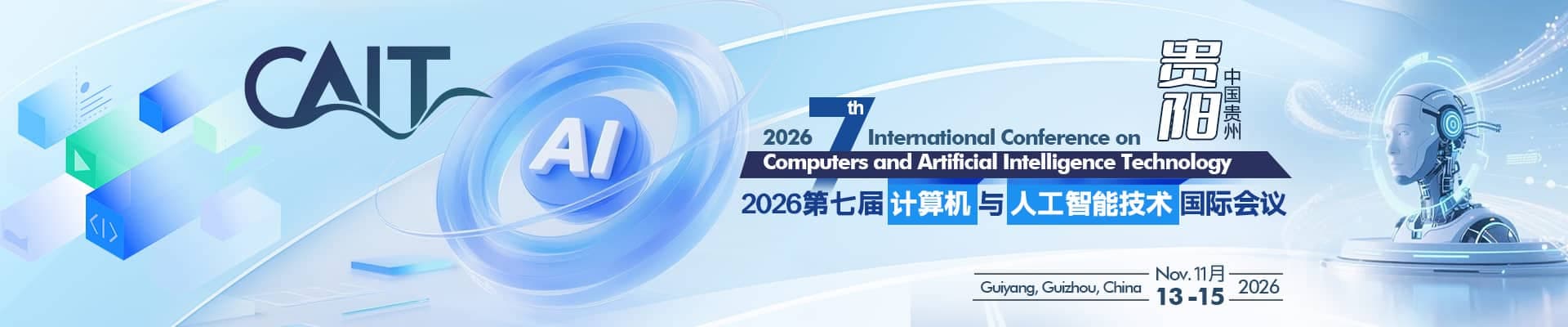
7th International Conference on Computers and Artificial Intelligence Technology (CAIT 2026)
Recurring
Computing & Data · Artificial Intelligence
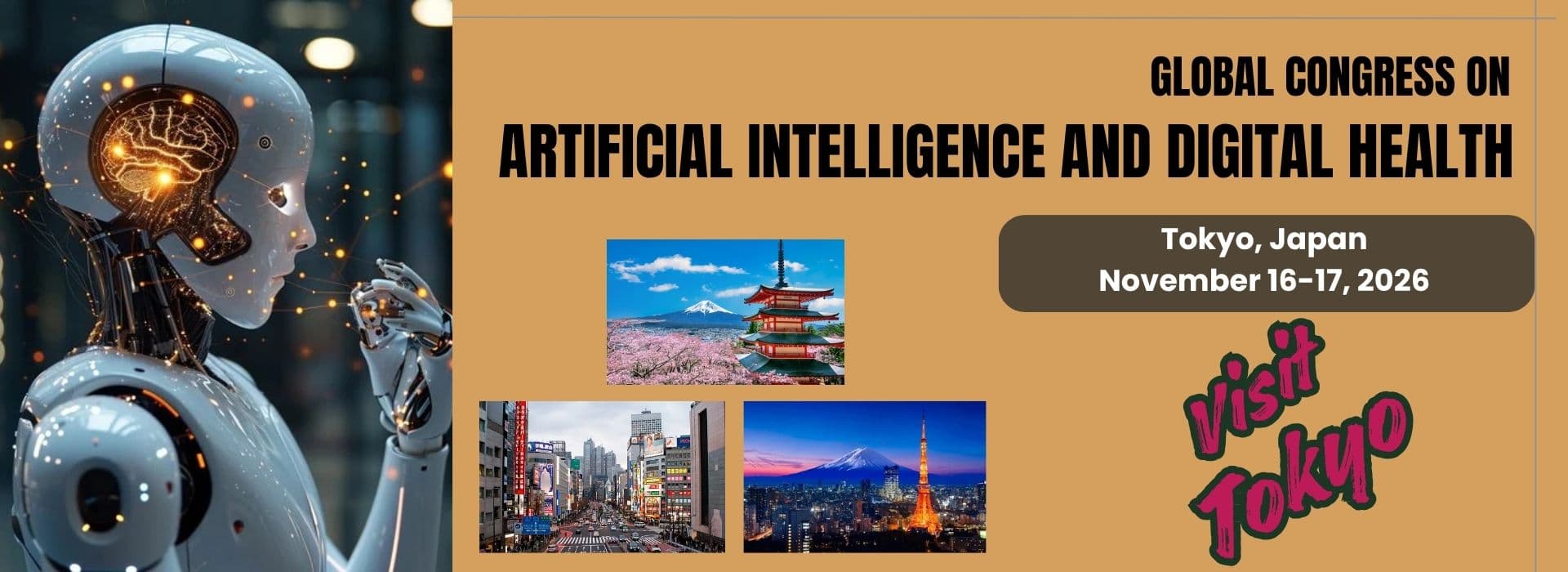
Artificial intelligence and digital health conference 2026
Computing & Data · Artificial Intelligence
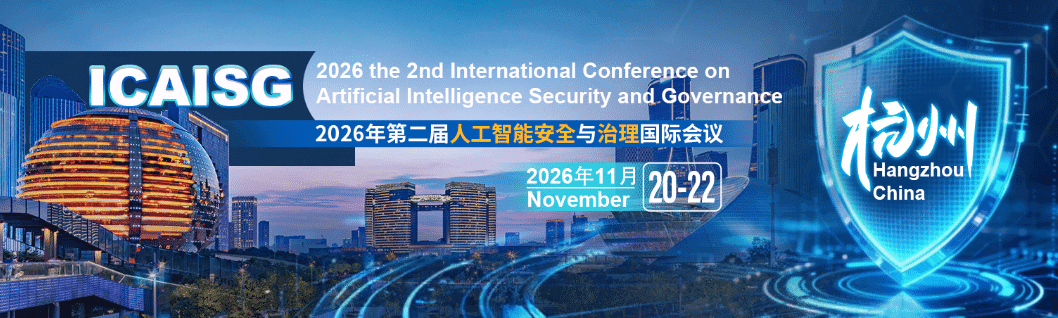
2nd International Conference on Artificial Intelligence Security and Governance (ICAISG 2026)
Recurring
Frequently asked
When is the 65th LISBON International Congress on Research in Science, Technology, Social Sciences & Education (LSTSSE-25) submission date?
This edition has ended. The series page shows whether a newer edition is accepting submissions.
Where was 65th LISBON International Congress on Research in Science, Technology, Social Sciences & Education (LSTSSE-25) held?
It was held at the Universidade Nova de Lisboa (New University of Lisbon) Conference Room: SE1, Lisbon, Portugal.
Can I attend 65th LISBON International Congress on Research in Science, Technology, Social Sciences & Education (LSTSSE-25) remotely?
No — this edition is listed as in person only.