35th ROME Global Conference on Advanced Computing, Engineering & Cybersecurity (ACEC-25)

About & call for papers
Call for papers Topics of interest for submission include any topics on: I. Advanced Computing: - High-Performance Computing (HPC): - Exascale and post-exascale computing architectures. - Heterogeneous computing (CPU-GPU, FPGA). - Energy-efficient HPC and… Read more
Call for papers Topics of interest for submission include any topics on: I. Advanced Computing: - High-Performance Computing (HPC): - Exascale and post-exascale computing architectures. - Heterogeneous computing (CPU-GPU, FPGA). - Energy-efficient HPC and green computing. - Applications of HPC in various engineering disciplines (e.g., computational fluid dynamics, structural analysis, materials science). - Advanced numerical algorithms and simulations. - Data management and visualization for large-scale simulations. - Quantum Computing: - Quantum algorithms and their potential applications in engineering and cybersecurity (e.g., optimization, materials design, cryptography). - Quantum hardware development (superconducting qubits, trapped ions, photonic qubits, etc.). - Quantum error correction and fault-tolerant quantum computing. - Quantum simulation of physical and chemical systems. - Hybrid quantum-classical computing approaches. - Neuromorphic Computing: - Brain-inspired computing architectures and their applications. - Spiking neural networks and event-based processing. - Hardware implementations of neural networks. - Energy efficiency in neuromorphic systems. - Applications in AI, robotics, and sensor processing. - Edge Computing and IoT: - Architectures and platforms for edge intelligence. - Federated learning on edge devices. - Real-time data processing and analytics at the edge. - Security and privacy challenges in edge and IoT environments. - Applications in smart cities, industrial IoT, and autonomous systems. - Cloud Computing: - Serverless computing and function-as-a-service (FaaS). - Containerization and orchestration (Docker, Kubernetes). - Hybrid and multi-cloud strategies. - Cloud-native application development. - Security and compliance in cloud environments. - AI and machine learning services in the cloud. - Advanced Architectures and Algorithms: - Reconfigurable computing. - In-memory computing. - Approximate computing. - Bio-inspired computing. - Novel data structures and algorithms for large-scale data processing. II. Engineering: - AI and Machine Learning in Engineering: - AI for design and optimization. - Predictive maintenance using machine learning. - AI in robotics and automation. - Computer vision for inspection and quality control. - Natural language processing for engineering documentation and collaboration. - Digital twins for simulation and monitoring. - Robotics and Automation: - Human-robot interaction and collaboration (cobots). - Autonomous mobile robots (AMRs) and their applications. - Soft robotics and bio-inspired robotics. - Advanced control systems for robots. - Robotics in manufacturing, healthcare, agriculture, and logistics. - Advanced Materials and Manufacturing: - Smart materials and metamaterials. - Additive manufacturing (3D printing) for advanced applications. - Nanomaterials and nanotechnology in engineering. - Sustainable materials and green manufacturing. - Advanced composites. - Cyber-Physical Systems (CPS): - Design and analysis of integrated computational and physical systems. - Real-time control and embedded systems. - Sensor networks and data acquisition. - Applications in smart infrastructure, transportation, and energy systems. - Security considerations for CPS. - Sustainable Engineering: - Renewable energy systems and integration. - Energy efficiency and conservation. - Waste management and circular economy principles. - Environmental monitoring and remediation. - Sustainable infrastructure development. - Biomedical Engineering: - Bioinformatics and computational biology. - Medical imaging and analysis. - Bioprinting and tissue engineering. - Wearable sensors and health monitoring devices. - Neural engineering and neuroprosthetics. III. Cybersecurity: - Artificial Intelligence in Cybersecurity: - AI-powered threat detection and analysis. - Machine learning for anomaly detection and intrusion prevention. - AI for security automation and orchestration (SOAR). - Adversarial AI and defense against AI-powered attacks. - Network Security: - Next-generation firewalls and intrusion detection/prevention systems. - Software-defined networking (SDN) security. - Wireless network security (5G and beyond). - Network forensics and incident response. - Zero-trust architectures and micro-segmentation. - Data Security and Privacy: - Advanced encryption techniques (including post-quantum cryptography). - Data loss prevention (DLP) and data governance. - Privacy-enhancing technologies (PETs). - Compliance with data privacy regulations (e.g., GDPR). - Secure data storage and management in the cloud. - Identity and Access Management (IAM): - Multi-factor authentication (MFA) and biometrics. - Role-based access control (RBAC) and attribute-based access control (ABAC). - Identity federation and single sign-on (SSO). - Decentralized identity solutions. - Cybersecurity for Critical Infrastructure: - Industrial control systems (ICS) and operational technology (OT) security. - Security of smart grids and energy systems. - Transportation cybersecurity. - Water and wastewater infrastructure security. - Emerging Threats and Attack Vectors: - Ransomware and extortion attacks. - Supply chain security. - Social engineering and phishing attacks. - Insider threats. - Deepfakes and disinformation. - Quantum computing threats to cryptography. - Cybersecurity Governance, Risk, and Compliance (GRC): - Cybersecurity frameworks and standards (e.g., NIST, ISO 27001). - Risk assessment and management. - Cybersecurity audit and compliance. - Legal and ethical aspects of cybersecurity. Overlapping and Interdisciplinary Topics: - Security of AI/ML systems. - Secure edge computing and IoT deployments. - Privacy-preserving machine learning. - Hardware security and trusted execution environments. - Formal verification for security. - Explainable AI for security analysis. - Cybersecurity in autonomous systems and robotics.
Venue
Piazza del Biscione 95, 00186 Roma
Rome, Italy
Open University of Washington Rome Center in maps ↗The address is as the organizer gave it, and it is not checked against a map.
Similar conferences


Computing & Data · Computer Science
2026 International Conference on Computational Science and Power Engineering(CSPE 2026)

Computing & Data · Computer Science
IEEE 2026 11th International Conference on Computer and Information Processing Technology (ISCIPT 2026)
Computing & Data · Computer Science
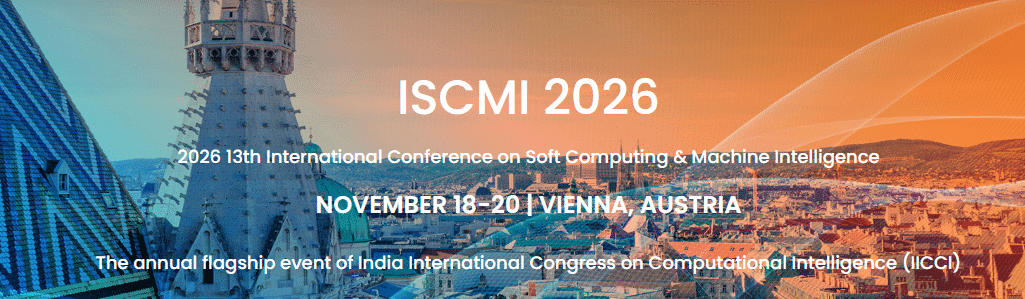
13th International Conference on Soft Computing & Machine Intelligence (ISCMI 2026)
Recurring