
Engineering & Technology · Civil Engineering
VIETNAM 3rd World Conference on E-Governance, Public Administration & Civil Service (eGPACS-27)
Dates20–22 Dec 2027
LocationHo Chi Minh City, Vietnam
SubmissionsAbstracts due 26 Nov 2027
RegistrationNot listed
FormatHybrid
FieldEngineering & Technology · Civil Engineering
OrganizerNot listed
About & call for papers
E-Governance and Digital Government E-Governance concepts and models, digital transformation in government, electronic public services, online citizen portals, mobile governance, paperless administration, digital identity systems, e-signatures, digital record… Read more
E-Governance and Digital Government E-Governance concepts and models, digital transformation in government, electronic public services, online citizen portals, mobile governance, paperless administration, digital identity systems, e-signatures, digital records management, interoperability of government databases, cloud-based public administration, smart government, one-stop service centres, digital inclusion, accessibility of e-services, digital literacy, rural access to government services, citizen-centric service design, digital public infrastructure, automation of administrative procedures, artificial intelligence in government, blockchain applications in public administration, Internet of Things in public services, data-driven governance, open government data, government information systems, cybersecurity in public institutions, data privacy, digital trust, and evaluation of e-government performance. Public Administration, Governance and Institutional Management Theories of public administration, traditional and modern administrative models, New Public Management, New Public Governance, administrative reforms, institutional capacity, government effectiveness, decentralisation, centralisation, federal and local administration, intergovernmental relations, public-sector organisational structures, administrative decision-making, public management, strategic planning in government, public-sector leadership, institutional coordination, administrative efficiency, public accountability, transparency, responsiveness, rule of law, good governance, participatory governance, collaborative governance, network governance, public value creation, institutional resilience, crisis administration, emergency governance, regulatory governance, bureaucratic structures, administrative discretion, red tape, and performance improvement in government institutions. Civil Service and Human Resource Management Civil service systems, civil service reform, public-sector recruitment, merit-based selection, competitive examinations, promotion systems, career progression, employee retention, workforce planning, civil servant motivation, job satisfaction, employee engagement, public service motivation, organisational commitment, leadership development, competency frameworks, professional training, capacity building, performance appraisal, performance-based incentives, salaries and compensation, pension systems, workplace diversity, gender equality in civil services, inclusion of minorities, employee wellbeing, occupational stress, flexible working, remote work in government, digital skills of civil servants, resistance to administrative change, ethics training, disciplinary procedures, political neutrality, bureaucratic professionalism, succession planning, talent management, and future skills required in public administration. Transparency, Accountability, Ethics and Anti-Corruption Government transparency, administrative accountability, public-sector ethics, integrity systems, codes of conduct for civil servants, conflict of interest, corruption in public administration, bribery, administrative misconduct, fraud prevention, whistle-blower protection, anti-corruption agencies, internal controls, public audits, social audits, financial accountability, procurement transparency, electronic procurement, misuse of public resources, political-administrative relationships, citizen oversight, legislative oversight, judicial accountability, access to information, freedom of information laws, open government initiatives, transparency portals, digital monitoring of public expenditure, asset declaration systems, ethical leadership, institutional integrity, trust in government, and the role of technology in reducing corruption. Citizen Participation, Public Service Delivery and Social Governance Citizen participation in government, public consultation, participatory decision-making, participatory budgeting, digital democracy, online public consultations, e-participation, crowdsourcing for public policy, citizen feedback systems, grievance redress mechanisms, complaint-management systems, citizen satisfaction, quality of public services, service-delivery innovation, public service standards, public-private partnerships, co-production of public services, community governance, local government services, urban governance, rural governance, healthcare administration, education administration, social welfare administration, housing services, transport governance, environmental services, municipal administration, social inclusion, vulnerable populations, equality in access to public services, citizen trust, government responsiveness, and measurement of service quality. Public Policy, Decision-Making and Administrative Innovation Public policy formulation, policy implementation, policy evaluation, evidence-based policymaking, policy analysis, regulatory impact assessment, behavioural public policy, administrative decision-making, use of big data in policymaking, predictive analytics, artificial intelligence for policy analysis, public-sector innovation, innovation laboratories, digital experimentation, policy coordination, cross-sector collaboration, stakeholder management, policy failure, implementation gaps, administrative learning, organisational change, change management, institutional innovation, agile government, foresight in public administration, scenario planning, sustainable governance, climate governance, disaster management, public health governance, economic administration, public finance management, budgeting, taxation administration, public procurement, and monitoring of government programmes. Technology, Security and the Future of Public Administration Artificial intelligence and civil service transformation, algorithmic decision-making, automation of routine government work, robotic process automation, generative AI in public administration, ethical AI, algorithmic transparency, bias in automated systems, cybersecurity threats to government, cyber resilience, digital sovereignty, data governance, government cloud systems, secure digital identity, biometric identification, surveillance and privacy, digital divide, responsible use of citizen data, smart cities, digital twins for urban administration, GovTech ecosystems, public-sector innovation through startups, digital procurement, future of bureaucracy, hybrid human-AI administration, reskilling of civil servants, changing roles of public officials, technology acceptance among government employees, legal frameworks for digital governance, international comparison of e-government systems, and the long-term impact of digitalisation on state capacity and citizen-government relations.
Key dates
Abstract submission closesPresenters26 Nov 2027AoE
Add abstract submission closes to calendar
Full paper submissionPresenters26 Nov 2027AoE
Add full paper submission to calendar
ConferenceEveryone20–22 Dec 2027
Add the conference to calendar
Closing dates are Anywhere on Earth (AoE) unless the organizer stated otherwise.
Venue
Liberty Hotel Saigon Parkview
265 Pham Ngu Lao St., Ben Thanh Ward, HCMC, Vietnam
Ho Chi Minh City, Vietnam
Open Liberty Hotel Saigon Parkview in maps ↗The address is as the organizer gave it, and it is not checked against a map.
Similar conferences

Engineering & Technology · Civil Engineering
International Conference on Infrastructure, Construction and Civil Engineering (ICICCE-2026)
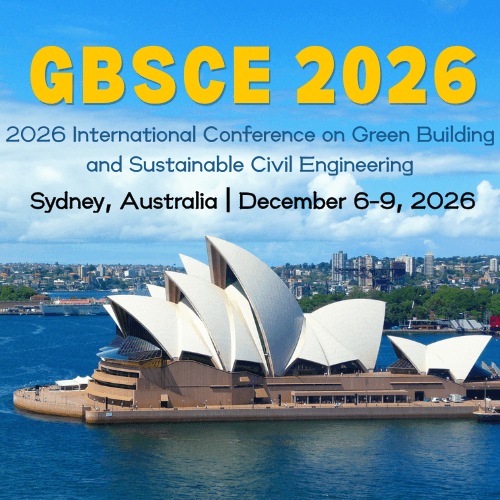
Engineering & Technology · Civil Engineering
2026 International Conference on Green Building and Sustainable Civil Engineering (GBSCE 2026)

Engineering & Technology · Civil Engineering
International Conference on Fatigue, Fracture, and Failure in Structural Systems
Frequently asked
When is the VIETNAM 3rd World Conference on E-Governance, Public Administration & Civil Service (eGPACS-27) submission date?
Abstracts due: 26 Nov 2027 (AoE). Submission happens on the conference's own site.
Where is VIETNAM 3rd World Conference on E-Governance, Public Administration & Civil Service (eGPACS-27) held?
At the Liberty Hotel Saigon Parkview, Ho Chi Minh City, Vietnam, with remote attendance offered as well.
Can I attend VIETNAM 3rd World Conference on E-Governance, Public Administration & Civil Service (eGPACS-27) remotely?
Yes — VIETNAM 3rd World Conference on E-Governance, Public Administration & Civil Service (eGPACS-27) is hybrid, so remote attendance is offered alongside the venue.