Engineering & Technology · Chemical & Process Engineering
47th International conference on “Science, Engineering, Technology & Natural Resources” (SETNR-25)
Dates15–17 Dec 2025
LocationIstanbul, Türkiye
SubmissionsNot listed
RegistrationClosed
FormatIn person
FieldEngineering & Technology · Chemical & Process Engineering
OrganizerNot listed
About & call for papers
The idea of 47th ISTANBUL International conference on “Science, Engineering, Technology & Natural Resources” (SETNR-25) scheduled on Dec. 15-17, 2025 Istanbul (Türkiye) is for the researchers, scientists, scholars, engineers and parctitioners from all around t… Read more
The idea of 47th ISTANBUL International conference on “Science, Engineering, Technology & Natural Resources” (SETNR-25) scheduled on Dec. 15-17, 2025 Istanbul (Türkiye) is for the researchers, scientists, scholars, engineers and parctitioners from all around the world to present and share ongoing research activities. This conference provides opportunities for the delegates to exchange new ideas and application experiences face to face, to establish business or research relations and to find global partners for future collaboration. Topics of interest for submission include any topics related to: I. Foundational Sciences for Natural Resources - Earth Sciences: - Geology and geophysics for resource exploration (minerals, groundwater, geothermal). - Hydrology and hydrogeology for water resource assessment and management. - Climatology and atmospheric science for understanding climate impacts on resources. - Oceanography for marine resource assessment and protection. - Soil science and pedology for sustainable land management. - Biological Sciences: - Ecology and ecosystem science for biodiversity conservation and ecosystem services. - Conservation biology and genetics for endangered species protection. - Microbiology and biotechnology for bioremediation and resource recovery. - Botany and zoology for understanding species interactions and resource dependence. - Chemistry and Materials Science: - Green chemistry for sustainable processes and pollution prevention. - Analytical chemistry for environmental monitoring and pollutant detection. - Development of novel materials for energy, water treatment, and sustainable construction. - Biomaterials and bio-inspired materials for resource efficiency. II. Engineering Solutions for Natural Resource Challenges - Environmental Engineering: - Water and wastewater treatment (advanced processes, resource recovery from waste streams). - Air pollution control technologies and emissions reduction. - Solid and hazardous waste management and valorization (waste-to-energy, recycling). - Environmental remediation of contaminated sites (soil, water). - Pollution prevention and industrial ecology. - Civil & Infrastructure Engineering: - Sustainable infrastructure design and construction (green buildings, resilient structures). - Water resource engineering (dams, irrigation, flood control, stormwater management). - Transportation infrastructure with reduced environmental impact. - Coastal engineering and adaptation to sea-level rise. - Chemical & Process Engineering: - Sustainable chemical processes and industrial efficiency. - Biofuel and biorefinery engineering. - Catalysis for cleaner production and energy conversion. - Process intensification and circular economy principles in industry. - Energy Engineering: - Renewable energy systems (solar, wind, geothermal, hydro, bioenergy). - Energy storage technologies (batteries, hydrogen, thermal). - Smart grids and energy management systems. - Energy efficiency and conservation in various sectors. - Mining & Metallurgical Engineering: - Sustainable mining practices and reclamation. - Efficient extraction and processing of critical raw materials. - Reducing environmental footprint of extractive industries. - Resource recovery from mining waste. - Agricultural & Bio-Systems Engineering: - Precision agriculture and smart farming for optimized resource use (water, nutrients). - Sustainable irrigation systems. - Biomass production and conversion technologies. - Agricultural waste management and valorization. III. Cutting-Edge Technologies for Resource Management - Artificial Intelligence (AI) & Machine Learning (ML): - AI for environmental monitoring, prediction, and modeling (e.g., climate, water quality). - ML for optimizing resource allocation and predicting resource availability. - AI for smart agriculture and precision forestry. - AI for risk assessment and disaster prediction related to natural resources. - Internet of Things (IoT) & Sensor Networks: - Real-time monitoring of air, water, and soil quality. - Smart sensors for water management, irrigation, and leak detection. - IoT for smart cities and sustainable infrastructure management. - Wildlife tracking and conservation monitoring. - Remote Sensing & Geospatial Technologies (GIS): - Satellite imagery and drone technology for environmental mapping and land-use change detection. - GIS for natural resource planning, conservation, and impact assessment. - Monitoring deforestation, water bodies, and ecosystem health from space. - Big Data Analytics: - Processing and interpreting large environmental datasets for decision-making. - Pattern recognition and anomaly detection in environmental data. - Robotics & Autonomous Systems: - Drones for environmental monitoring, afforestation, and precision spraying. - Robots for hazardous waste clean-up and environmental inspection. - Autonomous vehicles for sustainable logistics. - Biotechnology & Nanotechnology: - Engineered microbes for bioremediation and biofuel production. - Nanomaterials for water purification, catalysis, and sensing. - Synthetic biology for sustainable production of chemicals and materials. - Digital Twins: - Creating virtual replicas of natural resource systems (e.g., river basins, forests) for simulation, optimization, and predictive management. - Digital twins for urban infrastructure and smart grids. - Blockchain Technology: - Ensuring transparency and traceability in natural resource supply chains. - Carbon credit tracking and environmental compliance. IV. Integrated Approaches & Cross-Cutting Themes - Sustainable Development Goals (SDGs): - Contributions of science, engineering, and technology to achieving specific SDGs (e.g., clean water, affordable energy, responsible consumption). - Integrated assessment of SDG progress. - Circular Economy Principles: - Designing systems that minimize waste and maximize resource utilization across industries. - Policy and business models for circularity in natural resource management. - Climate Change Mitigation & Adaptation: - Technological solutions for reducing greenhouse gas emissions. - Engineering for climate resilience in infrastructure and ecosystems. - Climate modeling and scenario planning. - Resource Governance & Policy: - Science-policy interface in natural resource management. - Legal and regulatory frameworks for sustainable resource use. - Economic instruments and incentives for green technologies. - Ecosystem Services & Natural Capital: - Valuation and mapping of ecosystem services. - Engineering solutions for enhancing natural capital. - Human-Environment Interactions: - Social and ethical implications of new technologies in natural resource management. - Community engagement and indigenous knowledge in conservation efforts. - Environmental education and public awareness for sustainability. - Risk Assessment & Disaster Management: - Technologies for predicting, monitoring, and mitigating natural hazards. - Building resilience in communities and infrastructure.
Venue
Holiday Inn Istanbul City
Turgut Ozal Cad No 189, Topkapi, 34280, Turkey
Istanbul, Türkiye
Open Holiday Inn Istanbul City in maps ↗The address is as the organizer gave it, and it is not checked against a map.
Similar conferences
Engineering & Technology · Chemical & Process Engineering
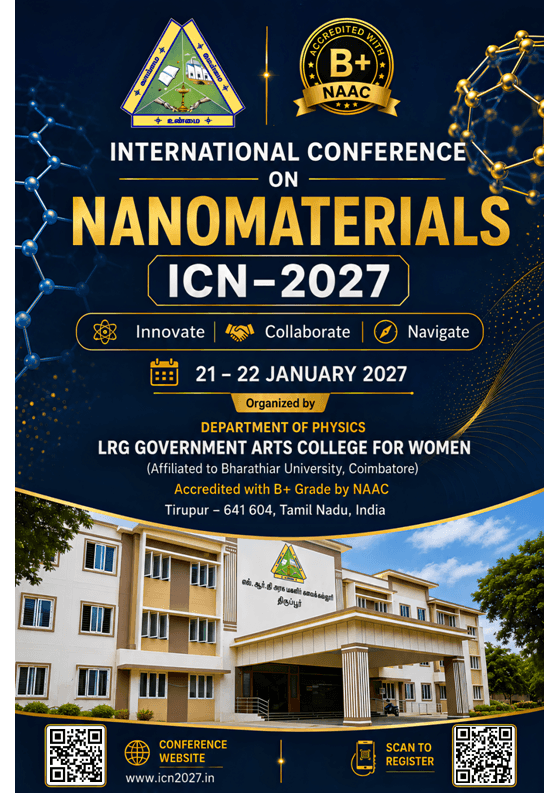
International Conference on Nanomaterials - 2027 (ICN-2027)

Engineering & Technology · Chemical & Process Engineering
2nd International Congress on Chemical Engineering and Chemistry (CHEMLISBON2027)
Engineering & Technology · Chemical & Process Engineering
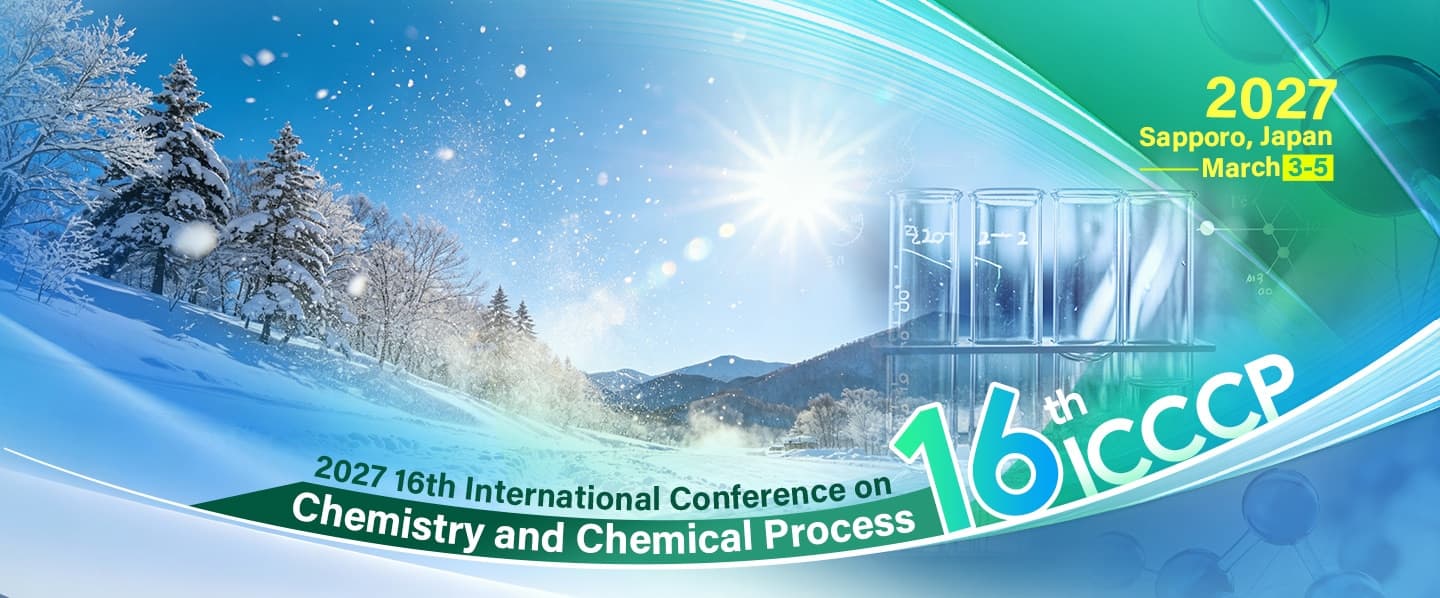
16th International Conference on Chemistry and Chemical Process (ICCCP 2027)
Recurring
Frequently asked
When is the 47th International conference on “Science, Engineering, Technology & Natural Resources” (SETNR-25) submission date?
This edition has ended. The series page shows whether a newer edition is accepting submissions.
Where was 47th International conference on “Science, Engineering, Technology & Natural Resources” (SETNR-25) held?
It was held at the Holiday Inn Istanbul City, Istanbul, Türkiye.
Can I attend 47th International conference on “Science, Engineering, Technology & Natural Resources” (SETNR-25) remotely?
No — this edition is listed as in person only.