Engineering & Technology · Chemical & Process Engineering
43rd VIETNAM International Conference on Chemical, Biological, Agricultural & Environmental Engineering: VCBEE-27
Dates18–20 Jan 2027
LocationHo Chi Minh City, Vietnam
SubmissionsAbstracts due in 8 weeks (24 Dec)
RegistrationNot listed
FormatHybrid
FieldEngineering & Technology · Chemical & Process Engineering
OrganizerNot listed
About & call for papers
Call for papers/Topics Topics of interest for submission include any topics related to: 1. Chemical Engineering Chemical engineering provides the foundational principles of mass, energy, and momentum transfer that underpin the other three disciplines. - Th… Read more
Call for papers/Topics Topics of interest for submission include any topics related to: 1. Chemical Engineering Chemical engineering provides the foundational principles of mass, energy, and momentum transfer that underpin the other three disciplines. - Thermodynamics & Kinetics (Independent Core) - Chemical equilibrium and phase behavior - Reaction kinetics and reactor design (batch, CSTR, plug flow) - Catalysis and surface science - Transport Phenomena (Interrelated Core) - Fluid dynamics (multiphase flow, rheology) - Heat transfer (conduction, convection, radiation) - Mass transfer (diffusion, interfacial mass transfer) - Separation Processes (Interrelated Core) - Distillation, extraction, and absorption - Membrane separation technology (reverse osmosis, ultrafiltration) - Adsorption and ion exchange - Process Systems Engineering (Independent Core) - Process design, synthesis, and intensification - Process control, automation, and optimization - Plant safety and hazard analysis (HAZOP) 2. Biological Engineering Biological engineering applies chemical engineering principles to living entities, bridging the gap between molecular biology and large-scale production. - Bioprocess & Fermentation Technology (Interrelated with Chemical) - Bioreactor design and scale-up - Kinetics of microbial growth and enzyme catalysis - Downstream processing (isolation and purification of biomolecules) - Genetic & Metabolic Engineering (Independent Core) - Recombinant DNA technology - Metabolic pathway analysis and synthetic biology - CRISPR and gene editing tools - Biomedical & Tissue Engineering (Independent Core) - Biomaterials and biocompatibility - Cellular therapy and artificial organs - Drug delivery systems - Biosensors & Bioelectronics (Interrelated with Agricultural) - Analytical devices for pathogen detection - Bio-MEMS (Micro-Electro-Mechanical Systems) 3. Agricultural Engineering Agricultural engineering integrates biological and mechanical concepts to optimize food, fiber, and fuel production while managing natural resources. - Precision Agriculture & Machinery (Independent Core) - Agricultural mechanization and robotics - Remote sensing, GIS, and GPS-guided farming - Smart sensors for soil and crop monitoring - Post-Harvest Technology & Food Engineering (Interrelated with Chemical & Biological) - Thermal processing (pasteurization, sterilization) - Food preservation, drying, and cold chain logistics - Biopolymer packaging and food safety - Soil & Water Engineering (Interrelated with Environmental) - Irrigation system design (drip, sprinkler) and drainage - Soil mechanics and tillage dynamics - Hydrology and watershed management - Controlled Environment Agriculture (Interrelated with Biological) - Greenhouse design and climate control - Hydroponics, aquaponics, and vertical farming 4. Environmental Engineering Environmental engineering acts as the ultimate safeguard, treating the wastes generated by chemical, biological, and agricultural practices. - Water & Wastewater Treatment (Interrelated with Chemical & Biological) - Physicochemical treatment (coagulation, sedimentation, filtration) - Biological treatment (activated sludge, anaerobic digestion) - Advanced oxidation processes and desalination - Air Quality Engineering (Interrelated with Chemical) - Particulate and gaseous pollutant control (scrubbers, cyclones) - Atmospheric dispersion modeling - Greenhouse gas mitigation and carbon capture - Solid & Hazardous Waste Management (Interrelated with Agricultural) - Landfill engineering and leachate management - Composting and organic waste stabilization - Hazardous waste remediation and incineration - Sustainability & Ecological Engineering (Interrelated with All Fields) - Life Cycle Assessment (LCA) and circular economy - Bioremediation and phytoremediation of contaminated sites - Environmental impact assessment 5. Major Interrelated Nexus Zones When these four disciplines collide, they create highly integrated, modern fields of study: - The Food-Energy-Water (FEW) Nexus - Optimizing water use in agriculture (Agricultural + Environmental) - Converting agricultural waste into bioenergy via anaerobic digestion (Agricultural + Biological + Chemical) - Developing eco-friendly fertilizers that minimize runoff (Chemical + Agricultural + Environmental) - Biorefineries & The Bioeconomy - Converting biomass feedstocks into bio-based chemicals and plastics (Agricultural + Chemical + Biological) - Designing green chemical processes that yield zero toxic waste (Chemical + Environmental) - Environmental Biotechnology - Using genetically engineered microbes to clean up oil spills or heavy metals (Biological + Environmental) - Developing microbial fuel cells to generate electricity during wastewater treatment (Biological + Environmental + Chemical)
Key dates
Abstract submission closesPresenters24 Dec 2026AoE
Add abstract submission closes to calendar
Full paper submissionPresenters24 Dec 2026AoE
Add full paper submission to calendar
ConferenceEveryone18–20 Jan 2027
Add the conference to calendar
Closing dates are Anywhere on Earth (AoE) unless the organizer stated otherwise.
Venue
Liberty Hotel Saigon Parkview
79 Nguyen Dinh Chieu, District 3, Ho Chi Minh City, Vietnam
Ho Chi Minh City, Vietnam
Open Liberty Hotel Saigon Parkview in maps ↗The address is as the organizer gave it, and it is not checked against a map.
Similar conferences

Engineering & Technology · Chemical & Process Engineering
2nd International Congress on Chemical Engineering and Chemistry (CHEMLISBON2027)
Engineering & Technology · Chemical & Process Engineering
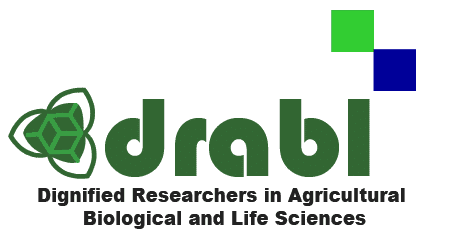
16th International Conference on Chemistry and Chemical Process (ICCCP 2027)
Recurring
Engineering & Technology · Chemical & Process Engineering
VIETNAM 7th International Congress on Research in Chemical, Biological & Environmental Engineering: RCBE2-27
Frequently asked
When is the 43rd VIETNAM International Conference on Chemical, Biological, Agricultural & Environmental Engineering: VCBEE-27 submission date?
Abstracts due: 24 Dec 2026 (AoE). Submission happens on the conference's own site.
Where is 43rd VIETNAM International Conference on Chemical, Biological, Agricultural & Environmental Engineering: VCBEE-27 held?
At the Liberty Hotel Saigon Parkview, Ho Chi Minh City, Vietnam, with remote attendance offered as well.
Can I attend 43rd VIETNAM International Conference on Chemical, Biological, Agricultural & Environmental Engineering: VCBEE-27 remotely?
Yes — 43rd VIETNAM International Conference on Chemical, Biological, Agricultural & Environmental Engineering: VCBEE-27 is hybrid, so remote attendance is offered alongside the venue.